

A Conversation I Have Almost Every Week
A few weeks ago, a student walked into my office carrying a notebook filled with university names. He looked confident at first. Then he asked me a question I hear almost every day: “Sir, which country is actually the best for study abroad in 2027? Everyone on YouTube says something different.”
After working in international education for more than ten years, I’ve learned that there isn’t one perfect country for everyone. I’ve seen students spend over $50,000 studying in countries they didn’t enjoy. I’ve also seen students study in affordable destinations, graduate with little debt, secure excellent jobs, and eventually become permanent residents.
The difference wasn’t intelligence.
It was choosing the right country based on personal goals instead of following trends. If you’re planning to study abroad in 2027, this guide will help you make that decision without wasting time or money.
How I Help Students Choose the Right Country
Whenever someone asks me where they should study, I never answer immediately.
Instead, I ask four simple questions:
- What’s your total budget?
- Do you want scholarships?
- Is immigration important?
- Which career do you want after graduation?
These four answers usually eliminate half the countries immediately. Many students make the mistake of selecting a destination first and researching later. That approach often leads to disappointment.
What Makes a Country Worth Studying In?
Before discussing individual countries, here’s what actually matters.
Quality of Education:
University rankings are helpful, but they aren’t everything.
A university with strong industry partnerships often provides better career opportunities than a highly ranked university that offers little practical experience.
Tuition Fees
Affordable education allows students to graduate with less financial pressure.
Many excellent universities charge much lower tuition than famous institutions.
Cost of Living
Rent, transportation, food, health insurance, and daily expenses vary significantly between countries.
Living costs sometimes become a bigger challenge than tuition itself.
Scholarship Opportunities
One of the biggest questions students ask is whether fully funded scholarships are available.
The answer depends on the country and university.
Several governments continue investing heavily in attracting international talent through scholarships in 2027.
Post-Study Work Opportunities
Studying abroad isn’t only about earning a degree.
Many students hope to gain international work experience after graduation.
Countries with post-study work visas often provide better long-term value.
Best Countries to Study abroad in 2027
1- Canada
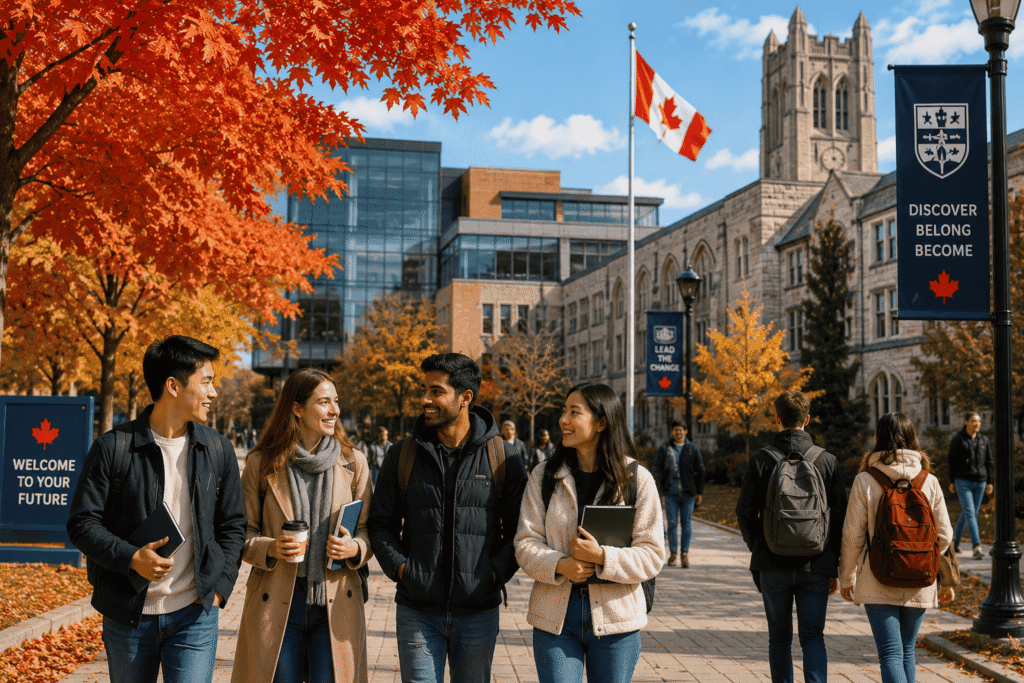
Why Canada Continues to Be a Top Choice
Canada consistently remains one of the safest and most welcoming destinations for international students.
Many graduates receive opportunities to work after completing their studies.
Strong industries include:
- Artificial Intelligence
- Business
- Healthcare
- Engineering
- Information Technology
Best For
- Career growth
- Permanent residency pathways
- High-quality education
Things Students Often Underestimate
Winter.
I’ve seen students arrive wearing jackets suitable for mild weather.
After experiencing their first Canadian winter, they quickly realized preparation matters.
2- Australia
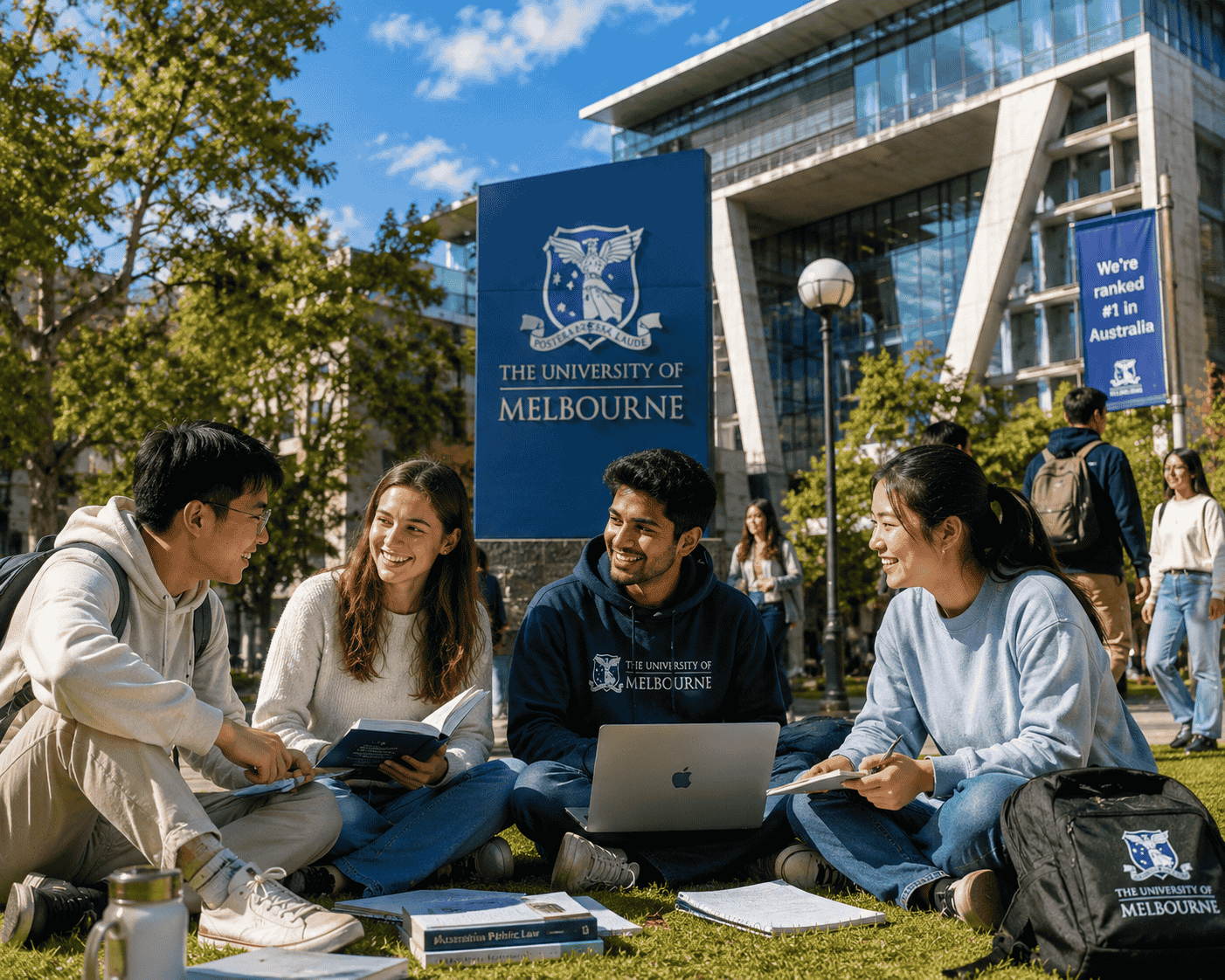
Australia offers an excellent balance between education and lifestyle.
Universities actively collaborate with employers, giving students practical experience while studying.
Popular programs include:
- Business
- Nursing
- Data Science
- Hospitality
- Engineering
Why Students Love Australia
- English-speaking environment
- Strong graduate employment
- Multicultural society
- Beautiful cities
Lesson Learned
Living in Sydney can be expensive.
Students who considered smaller cities often enjoyed lower living costs while receiving the same quality education.
3- Germany

Germany remains one of the smartest choices for budget-conscious students.
Many public universities charge little or no tuition for international students, although semester fees and living expenses still apply.
Best For
- Mechanical Engineering
- Automotive Engineering
- Computer Science
- Research
Practical Advice
Learning basic German before arriving makes daily life much easier.
Although many master’s programs are taught in English, knowing German improves internship and job opportunities.
4- United Kingdom

The UK continues attracting students from around the world because of its globally recognized universities.
One advantage many students appreciate is the shorter duration of master’s programs.
Many can finish in just one year.
Ideal For
- Business
- Finance
- Law
- Marketing
- Artificial Intelligence
My Observation
Students who actively network during university usually receive much better career opportunities than those who focus only on grades.
Scholarships and Opportunities
UK Chevening Scholarship: Complete step by step guide
Chevening Scholarships: Portal
5- Ireland
Ireland has become increasingly popular over the last few years.
Many global technology companies have European headquarters there.
Companies such as Google, Meta, Microsoft, Apple, and Intel have significant operations in Ireland.
Great Choice For
- Software Engineering
- Cybersecurity
- Data Analytics
- Business Analytics
The growing technology sector creates valuable internship opportunities.
6- China
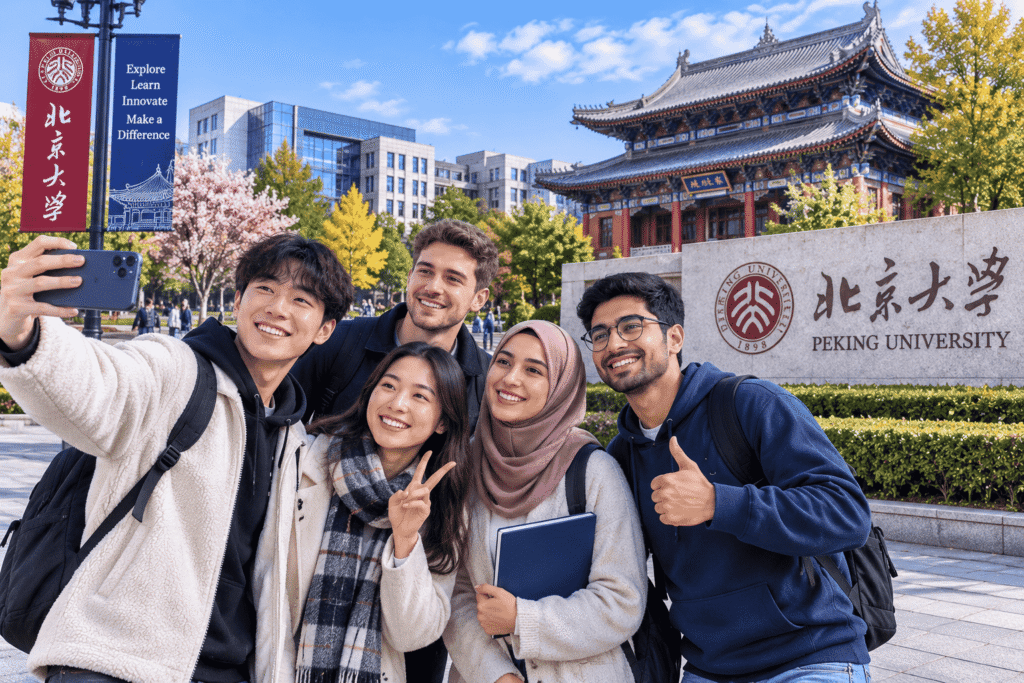
China has changed dramatically over the past decade.
Its universities are improving rapidly, especially in:
- Artificial Intelligence
- Engineering
- Robotics
- Business
- Medicine
Government-supported scholarships continue attracting international students.
Many students secure fully funded scholarships, making China one of the most affordable destinations.
Important Tip
Start scholarship applications early.
The strongest applicants usually prepare several months before deadlines.
7- Netherlands
The Netherlands combines excellent education with a highly international environment.
English is widely spoken, making daily life easier for international students.
Strong Academic Areas
- Logistics
- Business
- Agriculture
- Engineering
- Sustainability
Dutch universities emphasize teamwork, research, and practical learning.
8- Sweden
Sweden offers innovative education focused on creativity and critical thinking.
Many master’s programs are taught entirely in English.
Best For
- Innovation
- Sustainability
- Renewable Energy
- Design
- Engineering
Although living costs are relatively high, scholarship opportunities can significantly reduce expenses.
9- Malaysia
Malaysia is one country I frequently recommend to students with limited budgets.
Many universities offer internationally recognized degrees at affordable costs.
Advantages
- Lower tuition
- Affordable accommodation
- English-medium programs
- Diverse culture
Students can receive quality education without accumulating excessive debt.
10- New Zealand
New Zealand may not receive as much attention as Australia or Canada, but it offers excellent education and a peaceful environment.
Popular Fields
- Agriculture
- Environmental Science
- Tourism
- Engineering
- Business
Students often appreciate the smaller class sizes and supportive academic environment.
Comparison Table
| Country | Tuition | Living Cost | Scholarships | Work Opportunities |
|---|---|---|---|---|
| Canada | High | High | Excellent | Excellent |
| Australia | High | High | Good | Excellent |
| Germany | Very Low | Moderate | Good | Excellent |
| UK | High | High | Good | Excellent |
| Ireland | Moderate | Moderate | Good | Excellent |
| China | Low | Low | Excellent | Growing |
| Netherlands | Moderate | Moderate | Good | Very Good |
| Sweden | Moderate | High | Excellent | Good |
| Malaysia | Low | Low | Good | Moderate |
| New Zealand | Moderate | Moderate | Good | Very Good |
How to Choose the Right Country For Study Abroad in 2027
Step 1: Decide Your Budget
Know exactly how much your family can realistically afford.
Avoid making decisions based on assumptions.
Step 2: Search for Scholarships
Check:
- Government scholarships
- University scholarships
- External funding organizations
Students searching for fully funded scholarships should begin applications at least 8–12 months before their intended intake.
Step 3: Research Visa Policies
Study visa rules change regularly.
Always verify the latest information from official immigration and university websites.
Step 4: Compare Universities
Don’t choose a university only because it’s famous.
Instead, compare:
- Graduate employment
- Industry partnerships
- Internship opportunities
- Alumni success
Step 5: Talk to Current Students
One conversation with someone already studying there can answer questions that websites never mention.
Common Mistakes I See Every Year
Choosing Based Only on Social Media
Beautiful campus videos rarely show tuition bills or accommodation costs.
- Ignoring Living Expenses
Some students calculate tuition perfectly but forget transportation, food, insurance, books, and rent.
- Applying Too Late
Scholarships often close months before university admissions.
Late preparation limits options.
- Not Checking Employment Opportunities
A degree becomes much more valuable when graduates can gain work experience after completing it.
- Following Friends
Your friend’s ideal destination may not be the right one for your goals.
Everyone has different priorities.
My Practical Advice After Several Years in Education
If I could give every student only one piece of advice, it would be this:
Don’t chase countries.
Chase opportunities.
I’ve watched students build incredible careers after studying in countries that were never their first choice.
They succeeded because they researched carefully, planned financially, applied for scholarships early, and stayed focused throughout their journey.
The best country to study abroad in 2027 isn’t necessarily the most famous one.
It’s the country that matches your academic goals, budget, career ambitions, and lifestyle.
Spend time researching before submitting applications, compare universities carefully, and never hesitate to ask questions.
Making the right decision today could shape your career for decades to come.